A Slap on the Wrist & a Pat on the Back: NJ Incinerators Rewarded for Bad Behavior

Incinerators have gotten nearly $160 million under New Jersey’s Renewable Portfolio Standard (RPS) under the guise that they are “clean” energy. They are anything but. New Jersey’s incinerators emit more pollution than any other facility on the state’s grid today. This pollution is concentrated in EJ communities. Incinerators emit lots of pollution even in years with short total permit violation time.

Incinerators emit thousands of tons of pollution per year, even in years with a relatively short duration of permit exceedances

So reducing payments to incinerator by the percentage of permit violation time, as the current version of the Clean Energy Act of 2024 would do, is not the answer. This will barely put a dent in millions of unwarranted “clean” energy money they get. Instead, incinerators should be totally disqualified for any substantive permit violation.

New Jersey’s Dirty Secret

Do you know where your trash goes? Read this new report from NJEJA, Earthjustice, and the Ironbound community corporation to learn more about the injustice of incinerators and trash energy in New Jersey’s frontline communities.

New Jersey is no stranger to the negative impacts of incinerators, many of which are located in the state’s over­ burdened, environmental justice communities. Residents of these communities are more susceptible to asthma and COVID-19 due to the cumu­lative impacts from incinerators and other pollution sources. New Jersey’s four currently operating incinerators (Covanta Essex, Covanta Camden, Covanta Union, and Wheelabrator Gloucester) and one recently closed incinerator (Covanta Warren) collectively:

  • Emitted over 10,000 tons of air pol­lution and nearly 7 million tons of greenhouse gases from 2015 to 2018;
  • Placed among the state’s top 5 emit­ters of a dozen distinct air pollutants;
  • Violated their air permits over 1,700 times since 2004; and
  • Collected nearly $30 million in “clean” energy subsidies from utilities and ratepayers since 2004, despite these emissions and violations.

Read this new report from NJEJA, Earthjustice, and the Ironbound community corporation to learn more about the injustice of incinerators and trash energy in New Jersey’s frontline communities.

NJEJA Joins Partners in Tackling Plastic Pollution

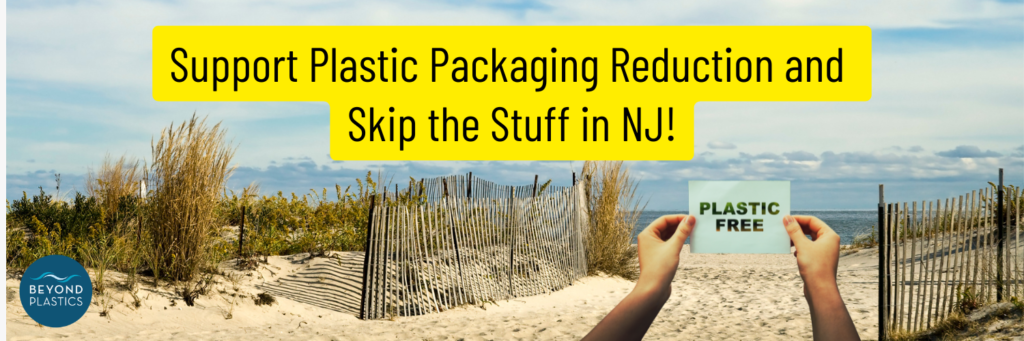
On October 8, NJEJA joined partners in a webinar focusing on plastic pollution in New Jersey. Topics included upcoming bills including “Skip the Stuff”, a Bottle Bill, and an “Extended Producer Responsibility” bill. Watch the webinar below and take action by sending a letter to your state legislator in support of these important pieces of legislation. 

NJEJA Joins Environmental Justice Advocates in Saying “NO” to Harmful Permitting Reform Bill

This month, the New Jersey Environmental Justice Alliance joined over 175 organizations in opposing U.S. Senate Bill 4753, Senators Manchin and Barrasso’s Energy Permitting Reform Act of 2024 (EPRA).

Read the full letter below to hear what EJ advocates have to say about the dangers of this legislation’s impact on

NJEJA Letter to PVSC Opposing Proposed Fourth Power Plant

On September 19, NJEJA submitted a letter to the Passaic Valley Sewerage Commission’s Commissioners expressing our deep opposition to the proposal of a fourth power plant in the Ironbound Community of Newark, New Jersey. We stand in solidarity with the residents of the Ironbound in opposing this plant as it will contribute to local air pollution, exacerbate risks to negative health outcomes, and continue a reliance on fossil fuels when a rapid transition to renewables is deeply needed. 

A Quick Guide to Carbon Capture and Storage (CCS)

As carbon capture and storage (CCS) continues to be pushed as a solution to climate change by both private and public investment, NJEJA has developed this fact sheet to explain CCS, the risks to our communities, and why carbon capture is simply going to prolong our reliance on fossil fuels.

For questions, please reach out to Brooke Helmick, Director of Policy at brooke@njeja.org.

NJEJA Statement on Fourth Power Plant In Newark

FOR IMMEDIATE RELEASE: July 9, 2024

Press Contact

Melissa Miles, Executive Director | melissa@njeja.org 


NJEJA Calls Upon PVSC To Reject Power Plant Proposal: New Jersey Residents Should Have Clean Air Regardless of Zip Code


Newark, New Jersey – The New Jersey Environmental Justice Alliance, a statewide organization dedicated to reducing and eliminating environmental injustices in communities of color and low-income communities, opposes Governor Murphy’s decision to approve a fourth power plant in the City of Newark and calls upon the Passaic Valley Sewerage Commissioners to reject the proposal. 

The approval of the plan, which will burn natural gas, only extends New Jersey’s reliance on fossil fuels and directly contradicts the state’s clean energy goals. Furthermore, the impact of a fourth plant in the Ironbound community, and Newark as a whole, will have detrimental effects on local air pollution. Any additional power plants, even those that have outlined steps to decrease their emissions, risks increasing greenhouse gas emissions, and co-pollutants emissions which increases local air pollution. The power plant represents not only an environmental injustice, but a threat to public health.  

We stand in solidarity with our community members, elected officials, and community-based organizations who have opposed this project. We demand clean air for all New Jersey residents, and call on the Murphy administration and the Commissioners to ensure that clean air is available to all, not just certain zip codes. 


“For months, if not years, the residents of Newark have opposed the construction of an additional power plant in their city due to valid health concerns. The state should listen to them and not build this plant.”

Dr. Nicky Sheats, Esq.
Chair of the Board, New Jersey Environmental Justice Alliance
Director of the Center for the Urban Environment at the John S. Watson Institute for Urban Policy and Research at Kean University


“We understand that our adversary here is environmental racism and capital, which continue to put profit over people. Better solutions to fossil-burning power plants exist and we need the PVSC Commissioners to prioritize clean energy for the health and well-being of the East Ward community.”

Melissa Miles
Executive Director, New Jersey Environmental Justice Alliance 


“The decision to move forward with this project, despite vocal opposition from community members, public officials, and community-based organizations, demonstrates that community members have not been treated as equal stakeholders in this process. Communities must be centered in this decision making process and residents have been clear: Newark does not need or want another power plant.”

Brooke Helmick 
Director of Policy, New Jersey Environmental Justice Alliance


###

The New Jersey Environmental Justice Alliance is an alliance of New Jersey-based organizations and individuals working together to identify, prevent, and reduce and/or eliminate environmental injustices that exist in communities of color and low-income communities. NJEJA will support community efforts to remediate and rebuild impacted neighborhoods, using the community’s vision of improvement, through education, advocacy, the review and promulgation of public policies, training, and through organizing and technical assistance.
NJEJA Applauds Atlantic Shores Offshore Wind Project Approval: Clean Renewable Energy Development Benefits Everyone

FOR IMMEDIATE RELEASE: July 9, 2024

Press Contacts

Melissa Miles, Executive Director | melissa@njeja.org 

Brooke Helmick, Director of Policy | brooke@njeja.org


NJEJA Applauds Atlantic Shores Offshore Wind Project Approval: Clean Renewable Energy Development Benefits Everyone


Newark, New Jersey – The New Jersey Environmental Justice Alliance, a statewide organization dedicated to reducing and eliminating environmental injustices in communities of color and low-income communities, applauds the recent decision to approve the Atlantic Shores offshore wind energy project. 


The approval will lead to the development of the nation’s ninth commercial-scale offshore wind project and generate up to 2,800 megawatts of clean electricity, and is expected to power nearly one million homes. The program can support the state of New Jersey in reaching its clean energy goals. Such clean energy programs not only support the movement to divest from fossil fuels but also support the work of mitigating local air pollution and providing cleaner air for all communities, particularly those disproportionately burdened by energy production. 


As this program rolls out, we encourage state and federal officials to prioritize the principles of a Just Transition and continue meaningful engagement with local communities — particularly communities Of Color and low-income communities, who will be directly impacted by this infrastructure and development. We offer our continued support and expertise in ensuring that environmental justice communities are centered and prioritized in the future of clean energy development. 


Learn more about the New Jersey Environmental Justice Alliance and our work in equipping our communities with the tools needed for a career in offshore wind.


###

For questions regarding this statement, please contact Brooke Helmick, NJEJA Director of Policy at brooke@njeja.org

The New Jersey Environmental Justice Alliance is an alliance of New Jersey-based organizations and individuals working together to identify, prevent, and reduce and/or eliminate environmental injustices that exist in communities of color and low-income communities. NJEJA will support community efforts to remediate and rebuild impacted neighborhoods, using the community’s vision of improvement, through education, advocacy, the review and promulgation of public policies, training, and through organizing and technical assistance.

Massive US Heat Wave Scorches the Midwest and Northeast, Including New Jersey

As climate change intensifies, cities are experiencing unprecedented temperatures, creating a pressing need for effective heat resilience strategies. Recent events have highlighted the urgency of addressing the challenges posed by extreme heat, particularly in urban areas.
 

Urban Heat Islands: Why Cities Are Getting Hotter

Urban areas are significantly hotter than their rural counterparts, a phenomenon known as the urban heat island effect. Factors such as asphalt, reduced green space, and waste heat from buildings and vehicles contribute to cities being up to 10°F hotter than surrounding rural areas. This temperature disparity has severe implications, especially for vulnerable populations like homeless people and outdoor workers who face increased heat exposure due to limited shade and urban design.

Mitigating the effects of urban heat islands requires a multifaceted approach. Planting trees, improving building efficiency, and raising awareness about heat risks are crucial steps. By enhancing green spaces and incorporating heat-resistant infrastructure, cities can help reduce temperatures and protect their residents.

Tips and Tricks to Stay Safe During a Heatwave

As heatwaves become more frequent and intense, it’s essential to adopt strategies to stay safe and cool. Here are some practical tips:

Stay Hydrated: Drink plenty of water throughout the day, even if you do not feel thirsty. Avoid sugary or alcoholic beverages.

Stay Cool: Spend time in air-conditioned places such as malls, libraries, or community centers. If you don’t have air conditioning at home, consider visiting public cooling centers.

Protect Yourself from the Sun: Wear lightweight, light-colored clothing, a wide-brimmed hat, and sunglasses. Use sunscreen with SPF 30 or higher.

Limit Outdoor Activities: Avoid strenuous activities during the hottest parts of the day (usually midday to late afternoon). Schedule outdoor activities for early morning or evening when it’s cooler.

Seek Shade: If you must be outdoors, seek shade and take frequent breaks in a cool or shaded area.

Check on Others: Look out for vulnerable individuals such as elderly neighbors, young children, outdoor workers, homeless folks, and those with chronic medical conditions. Ensure they have access to cool environments and are staying hydrated.

Never Leave Children or Pets in Cars: Temperatures inside a parked car can rise rapidly, even with the windows cracked open. Never leave children or pets unattended in a vehicle.

Use Fans and Cool Compresses: Use fans to circulate air indoors and apply cool compresses to your skin to help lower body temperature.

Know the Signs of Heat-Related Illness: Be aware of symptoms such as dizziness, headache, nausea, rapid heartbeat, and confusion. Seek medical attention if you or someone else shows signs of heat exhaustion or heat stroke.

Stay Informed: Monitor local weather forecasts and heat advisories. Stay updated on heat-related information from local authorities.

Stay Cool This Summer with Chill Out NJ!

It’s crucial to stay informed about the health risks associated with heat exposure. High temperatures can cause not just heat exhaustion or heat stroke but also cardiac arrest and heart attacks triggered by heat, strokes, pediatric asthma, or birth complications. To help residents stay safe, New Jersey offers a valuable resource.

Discover Chill Out NJ, an interactive mapping app that helps you find cool spots across the state where you can beat the heat. Chill Out NJ is now part of Heat Hub NJ, your ultimate resource for heat health. Whether you need tips for staying safe during heatwaves or want to find a cool place to relax, Heat Hub NJ has you covered.

Explore Chill Out NJ today at bit.ly/chilloutnj and discover a variety of places to cool off. From air-conditioned public buildings to shaded parks and refreshing pools, find the perfect spot to beat the heat!

Visit Heat Hub NJ to learn more about heat health and find additional resources to stay safe this summer. Heat Hub NJ is your go-to guide for staying cool and informed.