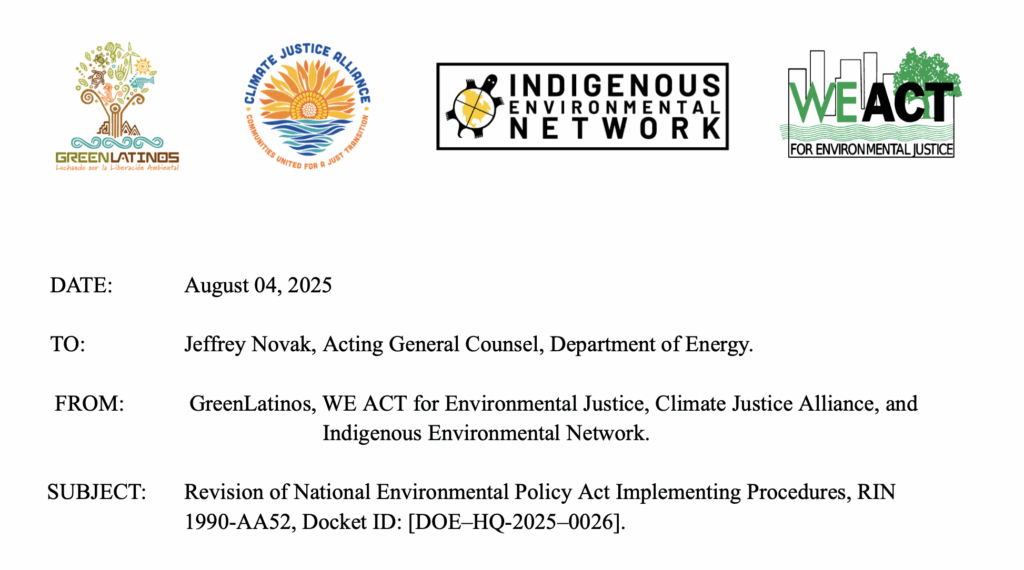
On June 30, DOE issued an Interim Final Rule that guts enforceable public participation, exempts many energy projects from environmental review, and sidelines the voices of frontline and Tribal communities, all under the guise of “streamlining.”
This rule weakens hard-fought safeguards and opens the door to unchecked development.
NJEJA was proud to sign-on and endorse a letter from our partners regarding the U.S. DOE’s revision to these rules.
We are proud to join our partners in California and across the Moving Forward Network in a letter to the California Air Resource Board regarding its repeal of the In-Use Locomotive Regulation. We stand firm with our partners in the mission of cleaning up rail pollution, supporting EJ communities impacted by rail and goods movement pollution, and doing everything we can to protect public health.
In all, the letter calls on CARB to:
Commit to doing everything it takes to address the problem of rail pollution
Build an electric rail system in California
Center community engagement and public health in every decision going forward
Import knowledge from other countries and regions that recently transitioned or are transitioning their rail systems to electric
Work creatively with the railroads to secure funding to electrify key freight corridors
Focus on zero-emission electric infrastructure
Oppose false solutions like CCS in the rail context and hydrogen locomotives
In a time when climate progress is under attack at the federal level, state leadership is more important now than ever. Many states across the nation are taking bold steps to accelerate their clean transportation goals. For example, programs in California include procurement policies like the Innovative Clean Transit Regulation and the Clean Miles Standard, while Colorado, New York and New Mexico maintain a diversity of electric vehicle (EV) incentive and charging infrastructure programs. This also includes California Governor Newsom’s EO N-27-25, which directs state agencies to submit new policy recommendations to make progress on clean transportation without new federal approvals, as well as to provide state incentives for OEM manufacturers that continue to comply with the original Clean Cars standards.
The transportation sector is New Jersey’s largest source of climate-harming emissions and localized air pollution. Continuing to push for innovative ZEV policies is therefore paramount to achieving New Jersey’s climate targets and cleaning up our air quality. Embracing these policies will reduce harmful emissions and improve public health while fostering economic growth through green jobs in manufacturing, infrastructure development, and technological innovation.
We are proud to join @WEACT4EJ and over 90 organizations calling on Congress to increase funding levels for the U.S. Environmental Protection Agency (EPA) including environmental justice programs, in fiscal year 2026. After catastrophic and unlawful environmental justice funding cuts from the current administration, this call from organizations across the country emphasizes the need to protect all of our access to clean air, water, and land.
In May, we joined our partners at the Equitable and Justice National Climate Platform and 65 organizations across the country in a letter urging the House of Representatives and the House Committee on Energy and Commerce to protect funding for environmental justice programs like the Clean Ports program and the Climate Pollution Reduction Grants program. These funds are crucial for EJ communities, as they help reduce local air pollution and protect public health.
Programs that improve public health such as Air Pollution Monitoring for schools, the Environmental and Climate Justice Block Grants program, Clean Ports Program and the Climate Pollution Reduction Grants program are not only vital to protecting vulnerable communities from a legacy of greater hazard exposure, they are also needed investments to create opportunity. The grant funds aren’t just a dollar figure. These are real losses—for residents breathing polluted air, for communities threatened by climate risks. It is extremely important that members of Congress oppose any provisions in the budget reconciliation bill that cancel public health protections. We must protect environmental justice programs that are crucial to the health and well being of the most vulnerable communities.
Environmental justice organizations across the country came together to support federal protections of LIHEAP (Low-Income Home Energy Assistance Program) which brings not only economic relief to families across the country, but yields public health benefit as well.
This letter – addressed to the House and Senate Subcommittees on Labor, Health and Human Services, Education, and Related Agencies – calls on lawmakers to fully fund LIHEAP at $5.1 billion, and to include supplemental emergency funding of $2 billion. Additionally, the letter requests assurances that the LIHEAP office will be fully staffed moving forward after news broken that HHS illegally fired LIHEAP staff.
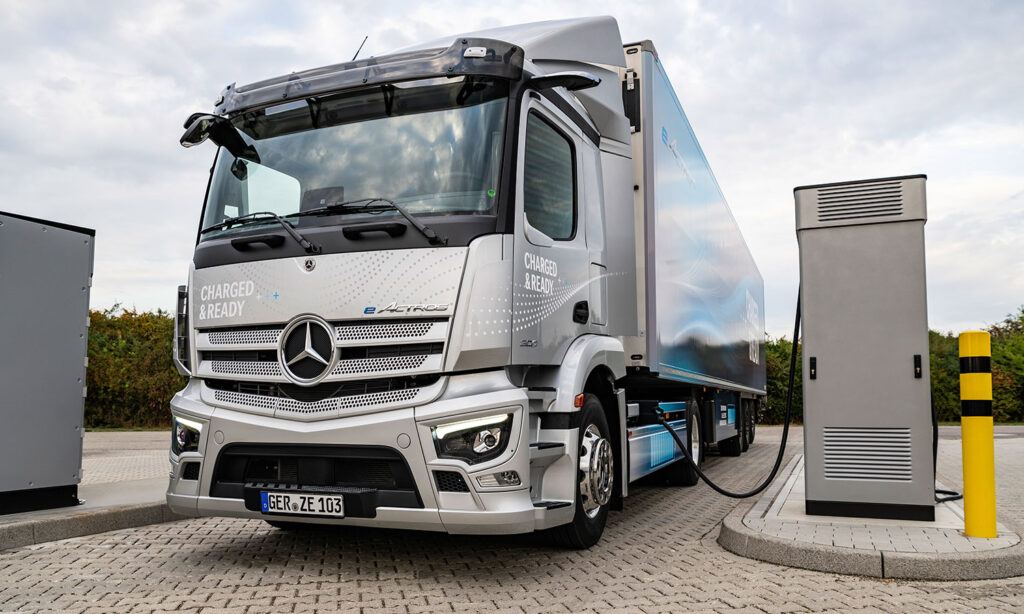
NJ organizations from across the state and advocacy spaces joined together to call on Governor Murphy’s office to continue their support for the implementation of the Advanced Clean Trucks rules and regulations. The rules would support efforts to curb local air pollution levels by incrementally increasing the number of electric vehicles on the road, thereby decreasing levels of diesel exhaust and related air pollution. This work has co-benefits of supporting climate mitigation policies as well as public health goals.
To learn more about the Advanced Clean Truck rules, read our blog post Debunking ACT Myths. For questions, please reach out to us at info@njeja.org.