
From AI chatbots to Google Drive, data centers are the hidden infrastructure that powers everyday life on the internet. Their rapid expansion over the past few years is creating a new set of environmental‑justice problems in New Jersey.
Over the last several months, residents across New Jersey have been asking, “What can my community do to combat data center development?”
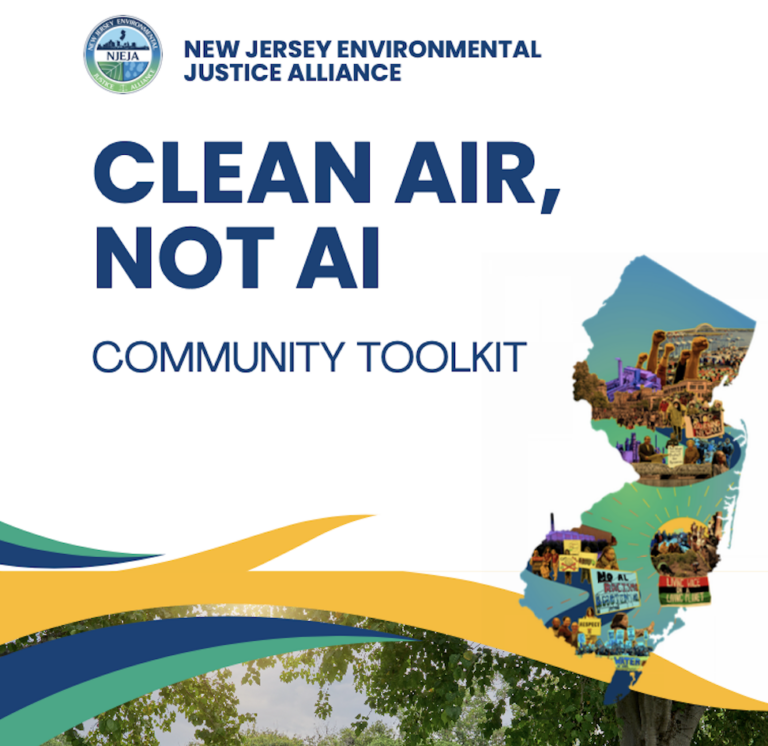
To help residents, advocates, and policy makers alike, NJEJA developed a “Clean Air, Not AI” Community Toolkit to provide valuable resources, tools, and strategy ideas. Click the button below to access this toolkit and learn more! And keep reading to find additional resources, case studies, and draft policies to use in your community!
What Are The Big Issues?
Air Pollution: Because of the size and scale of these facilities, many – if not all – need diesel backup generators, which can emit 200-600 times more nitrogen oxides (NOx) per kilowatt-hour (kWh) than modern gas plants. Often, these back-up generators run in times of peak demand or in emergency situations, which can create severe spikes of toxic air pollution and pollute the local air quality.
Water: While a “medium-sized” data center uses about 110 million gallons of water a year, a hyperscale center can use 3–7 million gallons per day. That’s about as much as a small town’s water supply over a year, such as West Orange or East Brunswick.
Energy: U.S. data centers consumed over 4 % of national electricity in 2024, but over 40% of that comes from fossil fuels. This means more power for data centers, strain on the grid, and increased cost and pollution for residents.
Consumer Cost: As PJM and utility companies try to adjust pricing for the increased energy needs of these facilities, costs are passed onto ratepayers, i.e. every day residents. New Jersey households can expect to see their energy bills rise this year by $20 per month or more as a result along with rising water rates.
Noise: HVAC and generator noise from hyperscale data centers can easily reach up to 96 dBA, well above the threshold for hearing damage. Long-term exposure can lead to ringing in the ears, change in hearing, and permanent hearing loss.
Health & Equity: Residents living around data centers will be exposed to toxic air pollutants which can add billions in health costs nationwide. Low-income and environmental justice communities bear an increasing burden for health and safety costs per household.
Health & Safety: Storing large volumes of diesel on‑site creates multiple health and safety hazards. If tanks are not properly sealed, maintained, or equipped with necessary containment, leaks can contaminate soil and groundwater with acidic sediments, gums, and microbial by‑products that pose long‑term exposure risks to nearby residents.
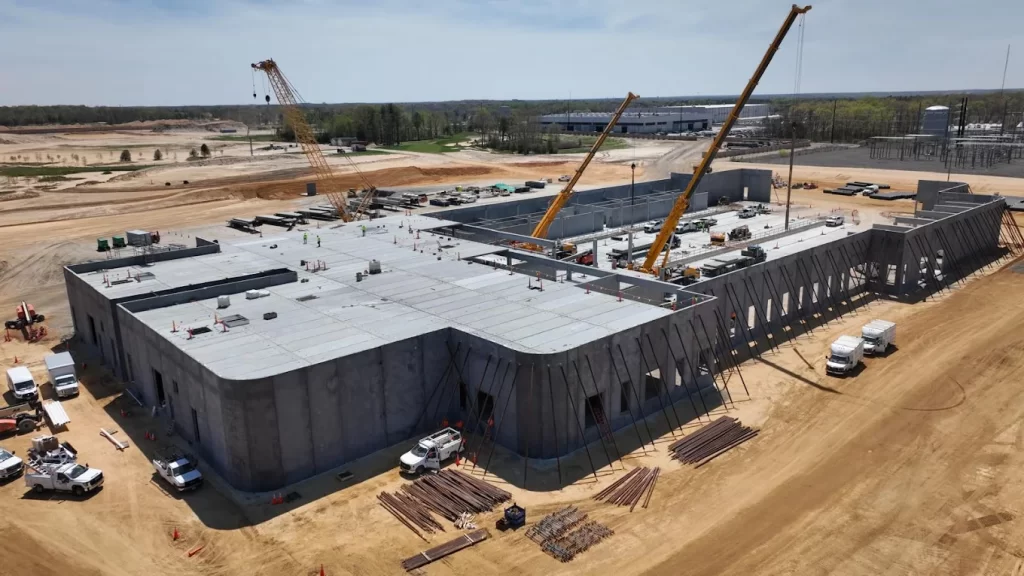
Aerial view of the Vineland DataOne (Nebius) facility.

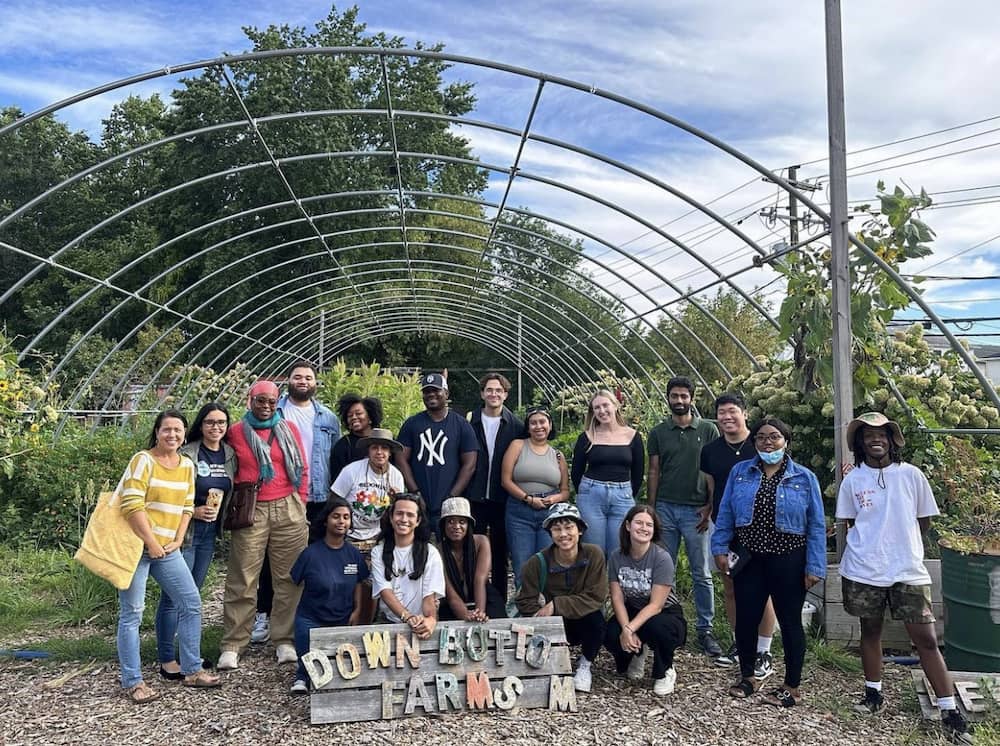
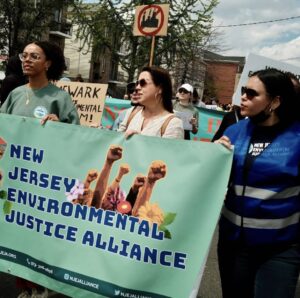
An Open Letter to New Jersey Officials – Environmental Justice Means Saying No To Dirty Data-Centers
In a time where AI and data centers are seen as a beacon for a richer, more techno-focused economic future, we pen this letter to spotlight the environmental and ecological risks that hyperscale data centers bring to our communities. We urge you to consider more than a promised economic benefit, and to consider the potential harms to communities and residents, particularly those who are already suffering environmental injustice.
Primarily, we call on you to deny any pending or future permitting request to develop a large data center in your jurisdiction. Secondly, if any permits are approved and must be developed, we call on you to ensure that such centers are equipped with renewable behind the meter generation, guarantee lasting jobs for the surrounding community, and ensure equitable water usage practices that are in line with the community’s vision for their own future.

Dozens of data‑center proposals are targeting water‑stressed, overburdened and grid‑constrained communities — often with very minimal public review or notice. This convergence of high power demand, massive water use, and limited community oversight is turning the Garden State into a testing ground for climate‑unfriendly, health‑hazarding technology.
When we work together, we win
NJEJA is aligning our clean energy goals and air quality work with the goals of local residents across the state organizing against hyper-scale data centers in their communities.
Are you and your neighbors facing a data center in your community?
NJEJA is ready to support local organizers in ensuring that their vision for the community is realized, whether that’s stopping construction of the center or implementing environmental safeguards on the facility.
- Community Case Study
In Vineland, NJ, the multi-national corporation DataOne and proposed facility operator Nebius are pushing forward with a 300 MW “AI-native” facility that most would consider to be “hyperscale.” Despite community opposition, the center has been fast-tracked, which sidelines environmental safeguards and imposes air, water, and other resource degradation burdens onto the surrounding community.
-
Residents turned out en masse to push back, ask questions, and raise concerns.
-
NJEJA joined in support of local organizers at Sustain South Jersey to write a letter to the Vineland City Council to oppose the project
-
The DataOne/Nebius case study offers a glimpse into a future of:
-
Rapid permitting,
-
On-site polluting fossil fuel-based generation,
-
Unquantified water use,
-
Waived permits and environmental protections,
-
Increasing public health risks,
-
Increasing cost passed on rate-payers, with the highest economic burden for low-income households.
-
For any inquiries, please contact us at info@njeja.org.
45 Academy Street, Suite #205, Newark, NJ 07102
Stay connected!
Sign up to stay informed about our work.

© 2021 New Jersey Environmental Justice Alliance.